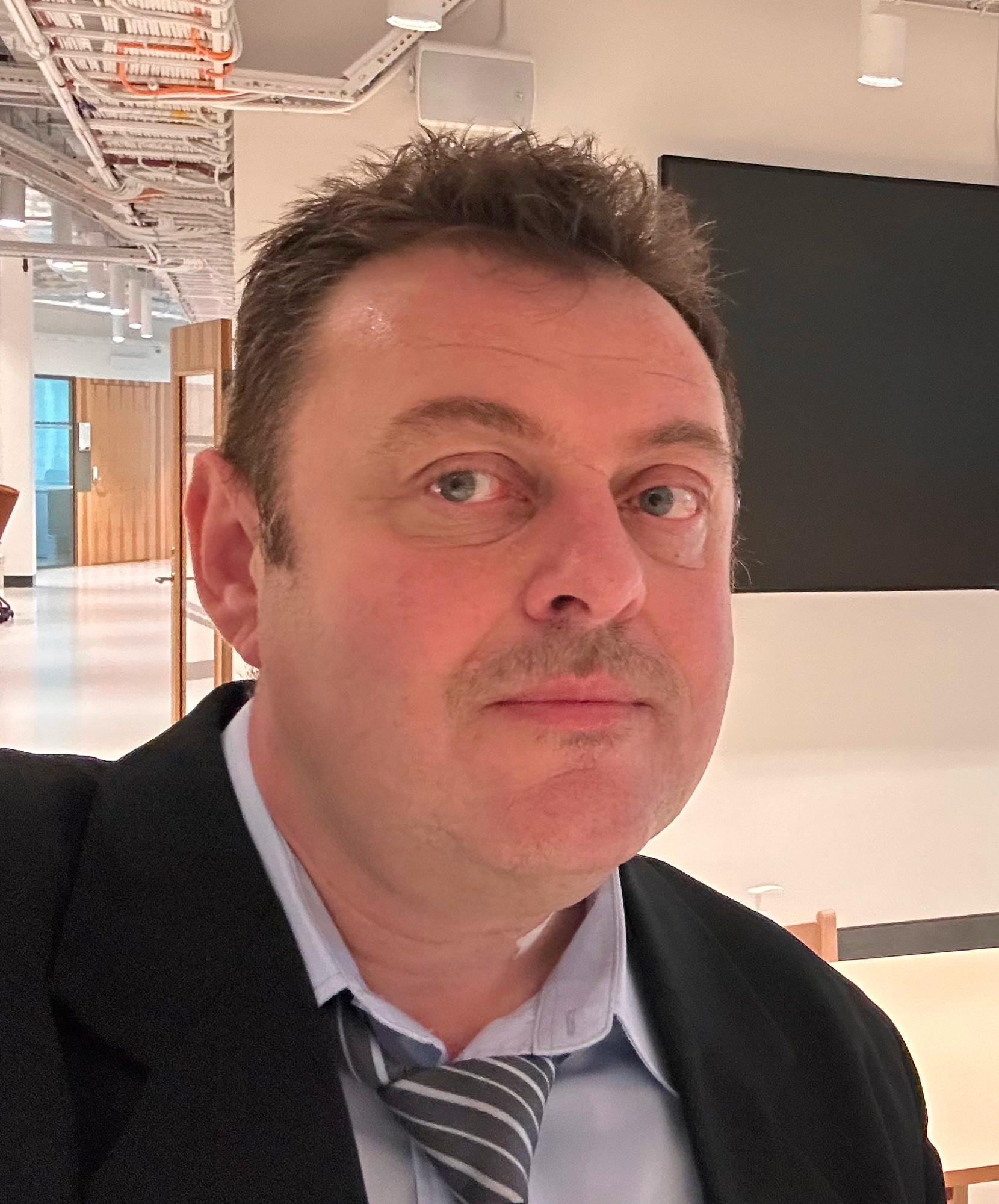
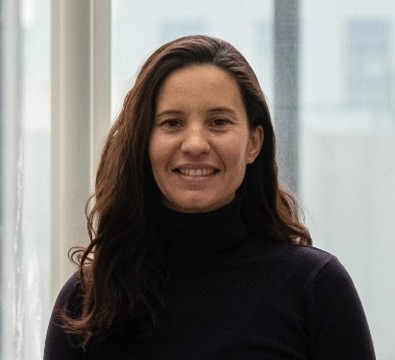
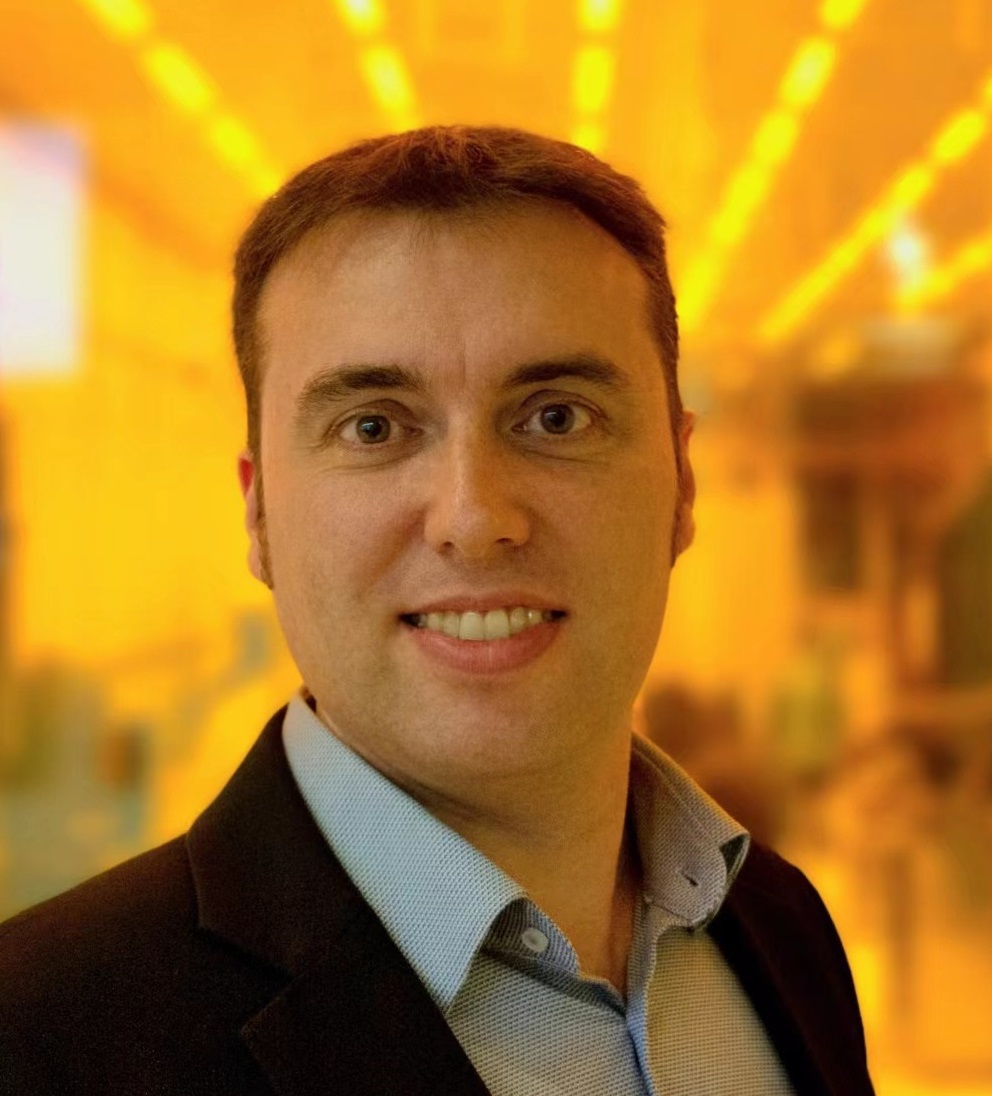
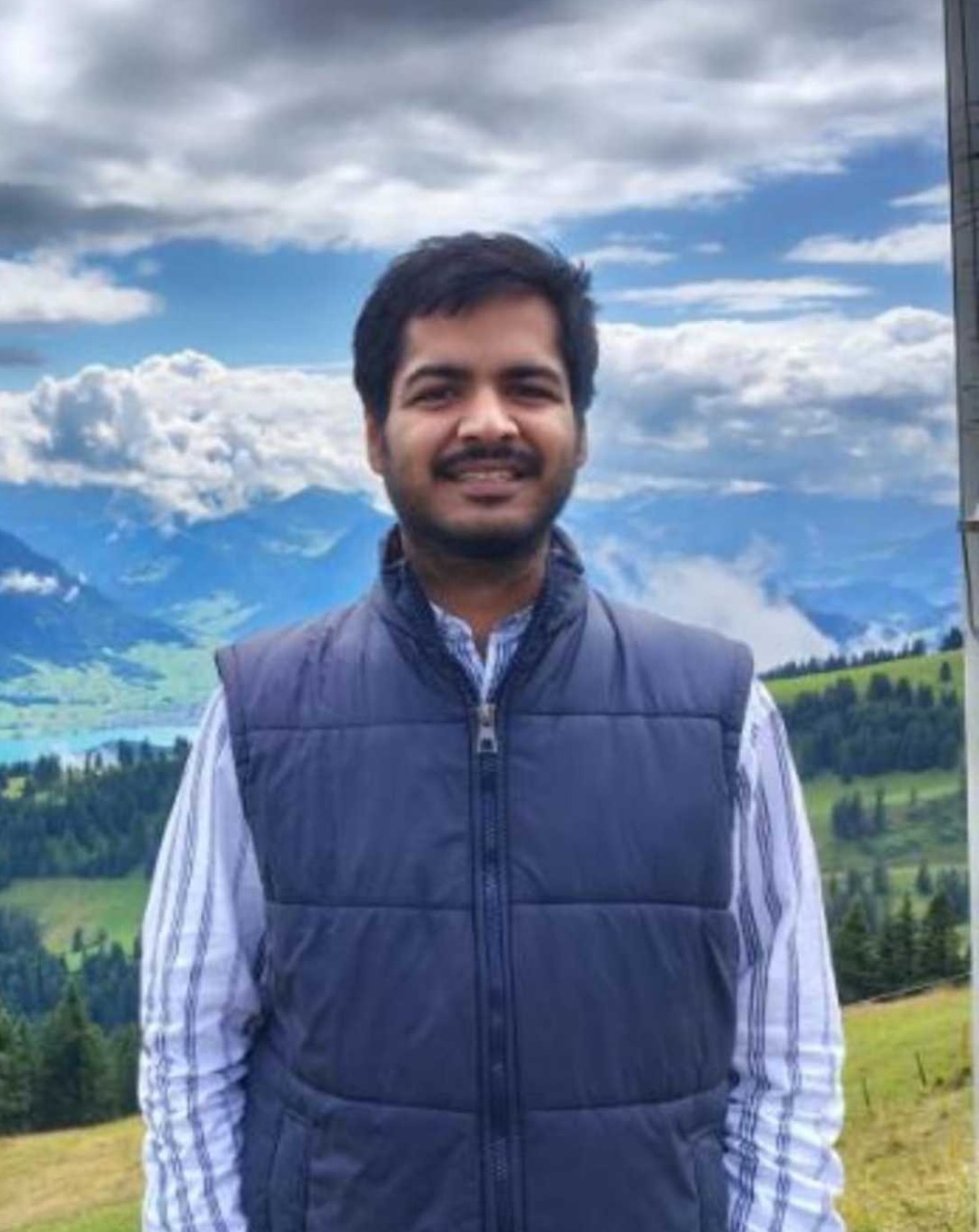
George Alexandru Nemnes is a professor at the Department of Electricity, Solid State and Biophysics, Faculty of Physics, University of Bucharest (UB). He obtained the PhD degree in 2008 from Chemnitz University, Germany. His research focuses on material physics and optoelectronic devices, the physics of many-body systems and the application of machine learning techniques in condensed matter.
Prof. Andreas Offenhäusser
RWTH Aachen and FZ Julich, Germany
Andreas Offenhäusser studied physics and completed his dissertation at the University of Ulm in 1989. He then worked in the field of power transistors at Robert Bosch GmbH in Reutlingen, Germany, for two years. From 1992 to 1994, he conducted postdoctoral research at the RIKEN Frontier Research Program in Japan. Subsequently, he worked as a group leader at the Max Planck Institute for Polymer Research in Mainz, Germany. Since 2001, he has been a director at the Institute of Biological Information Processing — Bioelectronics at Forschungszentrum Jülich and a professor of experimental physics at RWTH Aachen University. His research focuses on bioelectronic hybrid systems, particularly neuroelectronic systems. He also contributes to neuronal signal processing in in vitro and in vivo model systems and biosensors based on aptamers. To develop new biological interfaces, he investigates nanostructures, microstructures, and organic surface modifications.
Dr. Andrei Paun
Research Institute for Artificial Intelligence “Mihai Draganescu” of the Romanian Academy
Andrei Paun received his BSc in Mathematics with a major in Computer Science from University of Bucharest (Romania) and later he received a Master’s followed by a PhD in Computer Science from University of Western Ontario (Canada) in 2003. His PhD supervisor was Dr. Sheng Yu, from whom he “inherited” the interest in Finite Automata and OOP modeling as well as the Biocomputing research field that was the main thrust of his PhD dissertation. Following the PhD Andrei was a postdoc at Technical University of Wien (Austria) and later at University of Rovira i Virgili (Spain). He then moved to the US as an assistant and later associate professor of Computer Science (tenured) at Louisiana Tech University (USA). He later returned to Europe having positions at University of Bucharest (Romania), National Institute of R&D for Biological Sciences (Romania) and recently he accepted a position of director of the Research Institute for Artificial Intelligence „Mihai Draganescu” of the Romanian Academy (ICIA). His main interests are Biocomputing, Bioinformatics, AI as well as finite automata and other related areas.
Dr. Athanasios Dimoulas
INN-Demokritos, Greece
Dr. Dimoulas received his PhD in Applied Physics in 1991 from the University of Crete
and FORTH, Greece. He then obtained an EU-Human Capital & Mobility Fellow at the University of Groningen (The Netherlands) where he stayed until 1994, and a fellowship at CALTECH, which ended in 2006. He was also a research associate at the University of Maryland until 1999, a visiting researcher at IBM Zuerich in 2006 and 2007, and between 2016 and 2018 he was appointed LANEF Chair of Excellence
at CEA-INAC and the University of Grenoble Alpes, France. Dr. Athanasios Dimoulas is currently Director of Research at NCSR-DEMOKRITOS, Athens, Greece. He is the founder and head of the Epitaxy and Surface Science Laboratory (ESSL) since 1999. He is also a member of the Greek government’s advisory committee on Physical Sciences. He was also elected full professor of Experimental Condensed Matter Physics in the Department of Physics of the National Kapodistrian University of Athens. He has over 200 published papers, with more than 7,000 citations (H=45), and over 60 invited presentations at international conferences. He has been and is the director of several research projects, including an ERC Advanced Grant.
Prof. Beatrice Radu
University of Bucharest, Romania
Beatrice Mihaela Radu is a professor of biophysics and biomedical microscopy at the University of Bucharest, Faculty of Biology, where she has pursued her academic career since 2002. She is affiliated with the Department of Anatomy, Animal Physiology, and Biophysics and is actively involved in teaching and doctoral supervision in neuroscience.
Her research activity is centered on the study of blood–brain barrier structure and function, neurovascular coupling, and the development of physiologically relevant in vitro platforms, including blood–brain barrier–on-chip and organ-on-chip systems, with applications in drug testing and translational neuroscience. Current research interests include endothelial barrier regulation, neuroinflammation, brain–device interfaces, and the integration of cellular and microfluidic models with advanced sensing and analytical approaches. Her research group involves undergraduate, graduate, and doctoral researchers working at the interface between neurophysiology, biomedical engineering, and applied neurotechnologies.
Dr. Brahim Dkhil
CentraleSupélec, CNRS, France
Prof. Brahim Dkhil obtained his PhD in Physics and Materials Science in 1999 from Ecole Centrale Paris and the University of Orsay, France, and joined the Structures, Properties and Modelling of Solids Laboratory at CentraleSupélec, Université Paris-Saclay to develop his research activity on ferroelectrics and related materials, with the aim of gaining a better understanding of the microscopic mechanisms at play in these systems through their structure-property relationships at multiple scales, and better exploiting their functionalities for electronic, computing, energy and environmental applications.
Prof. Coriolan Tiusan
UBB Cluj, Romania and CNRS, France
Prof. PhD. Habil. C. Tiusan has over 30-year experience in the field of Spintronics acquired within several high level international European laboratories: Inst. de Phys. et Chim. des Matériaux (IPCMS) Strasbourg-FR, Oxford Clarendon Lab. –UK, SIEMENS Res. Lab. Erlangen-DE and, since 2001, as a permanent researcher in the French CNRS at the Jean-Lamour Institute (IJL)–Nancy University. Since September 2021, C. Tiusan joined the Faculty of Physics, Department of Solid-State Physics and Advanced Technologies Babes-Bolyai-University, Cluj-Napoca, Romania as tenured University Professor and Senior Researcher from the National Center of Scientific Research (CNRS), France. His current research projects are related to neuromorphic and quantum materials and spintronics. In these upstream R&D areas, C. Tiusan brings his broad scientific expertise in material science and nanotechnologies area from both experimental and modelling perspectives. They mainly concern the elaboration and characterization techniques of simple and complex small dimensional systems based on multilayered thin film heterostructures, micro and nano devices, using ultra-high vacuum techniques equipped with various in-situ characterization tools for analyzing surfaces and interfaces, clean room techniques for micro- and nano-structuring, various magnetic, magneto-electric and micromagnetic characterization tools and near-field microscopy techniques. The experimental skills are assisted by a long-term experience in physical phenomena modeling involving both analytical and numerical DFT and micromagnetic tools. He authored more than 130 ISI papers, over 100 oral presentations in international conferences with over 20 invited talks and coordinated research activities at different levels: PhD, postdocs, and research teams within various research projects with national or European funding. He was awarded by the Romanian Academy Prize “Constantin Miculescu”, the Bronze Medal of CNRS France and by the French national award for scientific excellence (PES). During the last two decades, C. Tiusan was leader of R&D projects of about 2M€ in France and Romania meant to develop various R&D capabilities for spintronic devices and sensor prototypes based on thin film, micro and nanoelectronic technologies.
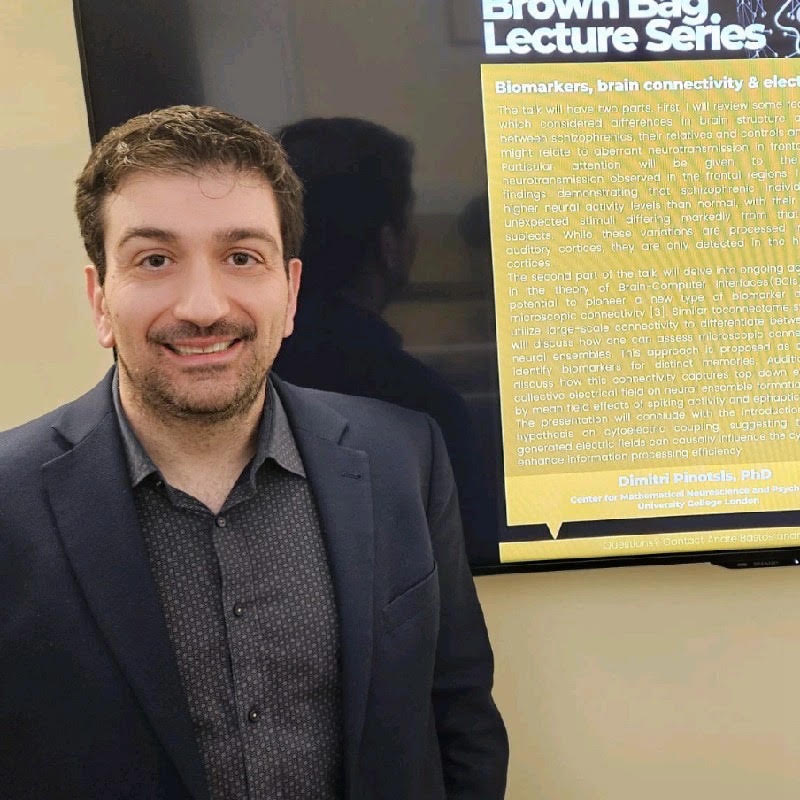
Dr. Dimitrios Pinotsis
City St George’s, University of London, UK
Dr Dimitris Pinotsis is an Associate Professor at the Department of
Psychology and Neuroscience at City, University of London and head of the computational neuroscience and psychiatry lab (www.pinotsislab.com).
He is also the Editor-in-Chief of the Journal of
Computational Neuroscience published by Springer Nature and a
Research Affiliate at MIT’s Miller Lab. Previously, he was a Senior
Research Fellow at UCL’s Wellcome Trust Center for Neuroimaging and
a Senior Scientist at MIT. Dimitris holds a PhD and an MSc in Mathematics from the Department
of Applied Mathematics and Theoretical Physics (DAMTP) of the University of Cambridge, UK.
His research has been funded by the NIH, US Air Force Office of Scientific Research, UK Research
Councils (EPSRC, ESRC, Innovate UK) and several UK charities. It spans diverse areas including
machine learning, the analysis of big data in neuroimaging, theoretical neurobiology and
nonlinear systems in mathematical physics. Dimitris has received over 10 Fellowships from
Cambridge Isaac Newton Trust, Onassis Foundation, NATO, Bernstein Organization and others.
He is also the recipient of several awards including an OCNS Award, a Smith-Rayleigh Prize of
the University of Cambridge and a Poincare Institute Award
Prof. Erika Covi
Technical University of Munich, Germany
Prof. Dr. Erika Covi is an Assistant Professor at the Technical University of Munich (Germany), where she leads the Nanoelectronics Circuits and Systems (NCAS) Group. She received her Ph.D. in Microelectronics from the University of Pavia (Italy) in 2014. Following her doctoral studies, she was a researcher at the National Research Council (CNR) of Italy and Politecnico di Milano (Italy). She was later Senior Scientist at NaMLab gGmbH in Dresden, Germany, and Assistant Professor at the University of Groningen (the Netherlands).
Her research focuses on the intersection of emerging memory devices, circuit design, and brain-inspired computing, with an emphasis on design-technology co-optimization (DTCO). Her work explores how the intrinsic physical properties of novel memory technologies can be leveraged to develop energy-efficient computational systems by integrating emerging memory devices with CMOS circuits. She has been awarded with the ERC Starting Grant in 2021 and the ERC Proof of Concept in 2025.
Prof. Dr. Covi has co-authored approximately 50 publications in international journals and conferences, and she has served on the organizing committee of around 10 international conferences. She is a Senior Member of IEEE and serves on the Board of Governors of the IEEE Circuits and Systems Society.
Dr. Ewelina Kurtys
FinalSpark, Switzerland
I specialize in turning advanced technologies into solutions companies can actually deploy. I work at the intersection of advanced research and real-world implementation. My focus is helping organizations understand, evaluate, and operationalize complex technologies — from early-stage innovation to scalable deployment. Areas I frequently work across:• deep-tech commercialization• technical strategy• innovation evaluation• product vulnerability & risk analysis• implementation pathways. Background in neuroscience-driven technologies and multidisciplinary R&D environments, with hands-on involvement in commercialization, partnerships, and technical positioning. I regularly speak with engineers, innovation teams, and technical decision-makers exploring how emerging technologies can be applied in practice. Always open to exchanging technical perspectives.
Dr. Ghazi Sarwat Syed
IBM Zurich, Switzerland
Dr. Ghazi Sarwat Syed is a Research Staff Member at IBM Research–Zurich, where he conducts research on processing-in-memory accelerators across both electronic and optical platforms. He holds a Ph.D. Materials Science from the University of Oxford, United Kingdom. Dr. Syed has authored 50 publications, delivered 20 invited talks/tutorials, and holds 35 international patents in the field. He has also contributed to the development of IBM’s commercial inference infrastructure watsonx.ai for serving LLMs. Dr. Syed also has an active record of mentoring, including 3 PhD and 6 Master’s dissertations. In 2023, he was recognized as a Forbes 30 Under 30 honoree. In the same year, he was also awarded the honorary title of IBM Master Inventor. Dr. Syed is also a recipient of the European Research Council (ERC) Starting Grant, Principal Investigator of the EU Pathfinder Open NEQIOS project, and Co-Principal Investigator and project manager of the HYBRAIN project. Dr. Syed is a passionate advocate for science communication and STEM education and is always eager to engage in discussions and initiatives supporting this cause.
Prof. Heidemarie Krueger
Leibniz-Institute for Photonics Technologies (IPHT), Germany
Prof. Heidemarie Schmidt received her Diploma/PhD in experimental physics from University Leipzig in 1995/1999. Her research focuses on solid materials with novel optical and transport properties. She was Heisenberg fellow from the German Research Foundation (2012-2017) and was appointed as professor at the Friedrich-Schiller University Jena and as Head of Department „Quantum Detection” at Leibniz-IPHT e.V., Jena, in 2017. She has been the author of over 200 publications including original research papers and reviews and she has contributed to over 100 patents. Her team and she discovered a material for memristors which merge data processing and data storage in the same cell in 2011, and she set up a company to bring electronic products with their world-wide unique memristors to market in 2021. Prof. Schmidt wishes to pave the way for resource-saving neuromorphic computers to stop the exponential increase of power consumption and the annual tenfold increase of AI training computing time in von Neumann computers.
Prof. Herbert Jaeger
University of Groningen, the Netherlands
Herbert Jaeger studied mathematics and psychology in Freiburg (Germany), got his PhD Computer Science / AI in Bielefeld (Germany) and then did a postdoc fellowship at the (then) German National Research Institute for Mathematics and Computer Science (GMD) in Sankt Augustin (Germany), where he subsequently founded the research unit on modeling intelligent dynamical sytsems (MINDS); then from 2001 to 2019 he served as professor in the CS department of the private Jacobs University Bremen (Germany). Since 2019 he is Professor for Computing in Cognitive Materials at the University of Groningen. Current research focus: mathematical foundations for a theory of computing on the basis of non-digital physical substrates. Jaeger retired in June 2025 and now has much more time for his research.
Prof. Ilia Valov
Institute of Electrochemistry and Energy Systems, Bulgaria
Ilia Valov is Professor in Electrochemistry at the Institute of Electrochemistry and Energy Systems, Bulgarian Academy of Sciences and Head of Group Nanoelectrochemistry at the Research Centre Juelich in Germany, teaching at the RWTH-Aachen University. He received his M.Sc. in metarials’ electrochemistry at the University of Chemical Technology and Metallurgy, Sofia, Bulgaria, and Ph.D. in physical chemistry of solids with summa cum laude at the University of Giessen, Germany. His research interests and activities are concentrated on electrochemical and, in general, physicochemical phenomena at the nano and sub-nanoscale, such as mass and charge transport, electric double layer, point defects, surfaces and interfaces with a focus on developing artificial neurons and synapses, memristive and neuromorphic devices, energy conversion and electro- catalysis. A special focus is set on the relation between materials chemistry, structure and properties, materials design and particular applications and functionalities.
Ilia Valov has published over 160 research papers with over 14000 citations, h-factor 58 and also guest edited special issues for RSC, Wiley and Elsevier journals. He serves as editorial advisory board member of NPG Unconventional Computing, Advanced Electronic Materials (Wiley) and APL Machine Learning. Ilia is a member of the Scientific Advisory Board of Leibniz Institute for Surface Modifications (IOM), Leipzig, and is Erskine Fellow (New Zealand) for 2024.
Prof. Jean-Francois Dayen
University of Strasbourg, France
Jean-François Dayen is Full Professor at the University of Strasbourg and group leader at the Institut de Physique et de Chimie des Matériaux de Strasbourg (IPCMS/CNRS/Unistra), where he has been based since 2008 within the Advanced Materials and Devices team. He also heads the Master’s program in Quantum Technologies – European Program at the University of Strasbourg and has been recognized by the Institut Universitaire de France for the excellence of his research.
His research lies at the interface of nanomaterials, device physics and functional materials for next-generation electronics. Over nearly two decades, he has developed a coherent scientific program centered on low-dimensional and hybrid materials for electronic, spintronic, optoelectronic and neuromorphic applications. His work includes the study of ferroelectric materials for neuromorphic computing, magnetic materials for spintronic devices and memory technologies, quantum spinterfaces based on graphene proximized with magnetic materials, and hybrid heterostructures combining 2D materials with quantum dots for optoelectronic functionalities. More broadly, he has contributed to the field of 2D materials since 2006, from graphene electronics to van der Waals heterostructures and advanced hybrid device concepts.
He has extensive expertise in nanofabrication, nanomaterials and device engineering, together with a strong record in research leadership and project management. He has coordinated or co-coordinated several national and European projects. He also plays an active role in the French 2D materials community through national research networks (GDR 2D+ : https://gdr-2dplus.cnrs.fr/). He has co-authored more than 67 publications in leading international journals, including review articles and a book chapter, and is co-inventor of four patents in nanotechnology and sensor-related fields.
Prof. Jose Luis Contreras-Vidal
Department of Electrical & Computer Engineering University of Houston, USA
Dr. Jose ‘Pepe’ L Contreras-Vidal is Hugh Roy and Lillie Cranz Cullen Distinguished Professor, director of the U.S. National Science Foundation Industry-University Cooperative Research Center for Building Reliable Advances and Innovations in Neurotechnology (IUCRC BRAIN) at the University of Houston, Director of the NSF-funded Movement, Music and Brain Health AccelNet international network and Co-PI of the NIH U24 Music Dementia Research Network, and an elected Fellow of the IEEE and AIMBE for his pioneering contributions to development of brain-machine interfaces for controlling wearable exoskeletons for rehabilitation, and for mapping art-evoked brain activity. His work at the nexus of art and science is opening new windows to study the neural basis of human creativity and the design of personalized arts prescriptions. His art-science team received the Chamber Music America’s 2025 Interdisciplinary Collaboration of the Year for “Meeting of Minds”, which was performed at the United Nations’ 2024 AI for Good” Summit in Geneva, Switzerland. Dr. Contreras-Vidal is a former member of the National Advisory Board for Medical Rehabilitation Research (NABMRR) at the NIH. He is a Senior Member of the National Academy of Inventors. His career development in biomedical engineering was highlighted by the journal Science.
Prof. Liliana Prejbeanu
University Grenoble Alpes-INP, SPINTEC, France
Professor at Phelma Engineering School and Scientific Director at Grenoble– INP/UGA (France)
Expert in modelling of spintronic devices (memories, sensors, oscillators)
and unconventional computing (Ising machine, neural networks)
Dr. Liza Herrera Diez
CNRS- Université Paris Saclay
Liza Herrera Diez is a CNRS research director at the Centre for Nanoscience and Nanotechnology in Palaiseau, France. She studied physical chemistry at the National University of Córdoba in Argentina and conducted her PhD work at the Max Planck Institute for Solid State Research in Germany while enrolled in the physics doctoral school at Ecole Polytechnique Fédérale de Lausanne.
She has an interdisciplinary background in physics and chemistry. Her research focuses on magneto-ionics, which combines the analogue functionality of ionics with the binary nature of magnetism to develop reconfigurable multistate spintronic nanodevices. She coordinated the MSCA Innovative Training Network MagnEFi on electric-field effects in magnetic materials and devices, and currently coordinates the EU Pathfinder project METASPIN, which explores magneto-ionic approaches to design multifunctional nanodevices for neuromorphic hardware.
Prof. Mario Lanza
NUS, Singapore
Dr. Mario Lanza is an Associate Professor of Materials Science and Engineering at the National University of Singapore, since August 2024. He got the PhD in Electronic Engineering in 2010 at the Autonomous University of Barcelona, where he won the extraordinary PhD prize. In 2010-2011 he was NSFC postdoctoral fellow at Peking University, and in 2012-2013 he was Marie Curie postdoctoral fellow at Stanford University. On September 2013 he joined Soochow University (in China), where he promoted until the rank of Full Professor. Between October 2020 and July 2024 he was full-time Associate Professor at the King Abdullah University of Science and Technology (in Saudi Arabia), where he became known for his work in the field of nano-electronics. He has published over 250 research articles in top journals like Nature (3), Science (2), and Nature Electronics (8), many of them becoming highly cited. He has been plenary, keynote, tutorial and invited speaker in over 150 conferences, and he and his students have received some of the most prestigious awards in the world (like the IEEE Fellow). He has been often consulted by leading semiconductor companies and publishers. He is an active member of the board governors of the IEEE – Electron Devices Society, and has been involved in the technical and management committee of top conferences in the field of electron devices, including IEDM, IRPS and IPFA. He speaks fluently five languages: English, Chinese, German, Spanish and Catalan.
Prof. Martin Ziegler
Department of Materials Science, Kiel University, Germany
Martin Ziegler (Prof. Dr. rer. nat. habil.) is Professor and Head of the Chair of Energy Materials and Devices at the Institute of Materials Science, Kiel University, Germany. He received his Diploma in Physics (2006) and his doctorate in Experimental Physics (2009) from Kiel University, where his research focused on spin-polarized scanning tunneling microscopy and spectroscopy. His academic training included physics studies at Technical University of Darmstadt, University of Bordeaux 1, and Kiel University. Following his doctoral studies, he worked as Research Assistant (2006–2010) and Postdoctoral Researcher (2010–2017) at Kiel University and qualified as Privatdozent in 2017. From 2018 to October 2024, he served as Head of the Chair of Micro- and Nanoelectronic Systems at Technical University of Ilmenau, where he also held leadership roles including Deputy Director of the Institute of Micro- and Nanoelectronics. Since October 2024, he has led the Chair of Energy Materials and Devices and is a member of the institute’s directorial board at Kiel University.
His research focuses on memristive materials and devices, as well as neuromorphic electronics. He has led and coordinated several major research initiatives, including the DFG Research Unit FOR 2093 Memristive Devices for Neural Systems, the BMBF infrastructure project Ilmenau Research Laboratory for Neuromorphic Electronics, and the Carl Zeiss Foundation–funded research groups Memristive Materials for Neuromorphic Electronics (MemWerk) and Neuromorphic Acoustic Sensor Technology for High-Performance Hearing Aids of Tomorrow (NeuroSensEar). He also serves as Deputy Spokesperson of the Collaborative Research Centre 1461 Neurotronics.
Dr. Nikhil Garg
University of Groningen, the Netherlands
Nikhil Garg received the B.Eng. degree in Electrical and Electronics Engineering and the M.Sc.
degree in Biological Sciences from the Birla Institute of Technology and Science Pilani, India,
in 2021. He completed his joint Ph.D. in 2024 between Université de Lille (France) and Uni-
versité de Sherbrooke (Canada), conducting his research at the CNRS laboratories: Institute
of Electronics, Microelectronics and Nanotechnology (IEMN) and the Interdisciplinary Insti-
tute for Technological Innovation (3IT). His doctoral work focused on neuromorphic systems
based on nanoscale memristive devices, spanning learning algorithms, mixed-signal circuits, and
system-level co-design. From 2025 to 2026, he was a postdoctoral researcher at ETH Zurich
(Department of Information Technology and Electrical Engineering, D-ITET), working with the
Integrated Systems Laboratory and the Neuromorphic Electronics with Oxides group on neuro-
morphic hardware using ferroelectric devices and emerging in-memory computing technologies.
Since 2026, he has been a postdoctoral researcher with the Bio-Inspired Circuits and Systems
(BICS) group at the Zernike Institute for Advanced Materials, University of Groningen, and is
affiliated with the CogniGron Center for Cognitive Systems and Materials. His research focuses
on neuromorphic computing, in-memory learning with emerging devices, and energy-efficient
intelligent systems for edge and neurotechnology applications.
Dr. Paschalis Gkoupidenis
Max Planck Institute for Polymer Research, Germany
Dr. Paschalis Gkoupidenis is an Associate Professor at North Carolina State University and former Independent Group Leader at the Max Planck Institute for Polymer Research. He joined NC State as part of the Chancellor’s Faculty Excellence Program, contributing to the university’s strategic research leadership in advanced materials and carbon electronics. His research lies at the intersection of materials science, electronics, and neuroscience, focusing on organic devices and circuits for brain-inspired processing and neuromorphic bioelectronics. His work has played a leading role in advancing organic neuromorphic devices and circuits capable of adaptive learning behaviors and biorealistic communication with living tissue. Dr. Gkoupidenis has authored over 60 peer-reviewed publications, including several in Nature family journals. His research has received broad international recognition and has been featured in Scientific American, Yale Scientific, Max Planck Magazine, and TechXplore. He is the recipient of the 2025 Sherwin I. Seligsohn Innovation Award for his contributions in organic neuromorphic electronics.
Prof. Romain Brette
Sorbonne University, INSERM, CNRS, France
Romain Brette is a theoretical neuroscientist at the Institute of Intelligent Systems and Robotics, Paris. He was previously faculty at the Departments of Computer Science and Cognitive Science of Ecole Normale Supérieure, Paris, then in the Vision Institute, Paris. He has authored over 80 articles on various topics in neuroscience, from cellular biophysics to systems neuroscience, psychophysics and philosophy of neuroscience. He was awarded the early career scientific prize from Fondation pour l’Audition for his work on auditory perception, and the Open Science Free Software Award for his development of the neural simulator Brian. His current work lies at the intersection of microbiology and neuroscience, on the integrative neuroscience of protists.
Dr. Sabina Spiga
Istituto per la Microelettronica e Microsistemi (IMM-CNR), Italy
Sabina Spiga is Research Director at the National Research Council of Italy (CNR), Institute for Microelectronics and Microsystems (IMM). She received her Degree in Physics from the University of Bologna in 1995 and earned a Ph.D. in Materials Science from the University of Milan in 2002.
Her research focuses on the development of memristive devices that exploit ionic and electronic phenomena at the nanoscale to emulate synaptic and neuronal function in hardware, enabling advances in neuromorphic and unconventional information processing.
S. Spiga has served as Principal Investigator for CNR in several national and Horizon 2020/Horizon Europe projects, including MeM-Scales, Neuram3 and Neurotech, and is currently involved in the European IPCEI ME/CT initiative. She is presently the Editor-in-Chief of the Journal of Physics D: Applied Physics.
Dr. Simas Rackauskas
Kaunas University of Technology, Lithuania
Simas Rackauskas is a Chief Researcher in Kaunas University of Technology (KTU). He defended his PhD in Physics at Aalto University, Finland in 2011. He was a Marie Curie Fellow in University of Turin (Italy). He had fellowships in Swiss Federal Institute of Technology in Lausanne (EPFL, Switzerland), Technical University of Denmark (DTU) and University of Nagoya (Japan). His research interests are mainly focused on metal oxide nanowires and application in sensing, neuromorphic computing and multifunctional coatings. He is involved in commercialization of multifunctional anti-reflection coatings, founder of spin-off company “Zinotech”. He is a coordinator of Horizon-MSCA-SE project on neuromorphic computing (TetraNET).
Wolfgang Schwinger
Carl ZEISS company, Austria
Education:
2003 – Master in Physics at the Johannes Kepler University, Linz, Austria
2003 – Master in Physics and Mathematics for Teaching Profession at the Johannes Kepler University, Linz, Austria
1998 – 1999 – Study of Physics at the Uppsala University, Uppsala, Sweden
Professional Experience:
since 2016 – Regional Manager & Business Development Manager for EM, IM & XRM for Austria and South East Europe for Carl ZEISS company
since 2012 – Lecturer at the University of Applied Sciences Upper Austria for Microscopy
2015 – 2016 – Leading Scientist for Computational Neuroscience at the Kepler University Clinic, Linz
2008 – 2015 – Account Manager for Electron Microscopy for FEI (now Thermo Scientific)
Prof. Yoeri van de Burgt
Eindhoven University of Technology, the Netherlands
Yoeri van de Burgt is professor at Eindhoven University of Technology leading the neuromorphic engineering group. He obtained his PhD degree in 2014 in Eindhoven and worked as a postdoctoral fellow at the department of Materials Science and Engineering at Stanford University. He has been a visiting professor at the University of Cambridge in 2017 and Georgia Tech in 2022, and was awarded an ERC Starting Grant in 2018 and an ERC Consolidator Grant in 2023.
The National Institute of Materials Physics (NIMP) is pleased to announce the 11th edition of the International Workshop of
Materials Physics 2026 (IWMP2026).
The workshop will focus on emerging concepts and technologies in neuromorphic and brain-inspired systems,
including (but not limited to) artificial synapses, artificial neuromorphic networks, sensory
integration in neuromorphic architectures, brain-machine and brain-computer interfaces, and parallelism
in brain-inspired computation. The workshop aims to bring together researchers and specialists from
Physics, Chemistry, Materials Science, Neurosciences, Biology, Engineering fostering interdisciplinary
dialogue at the interface between materials, devices and computation. The interest will be not only on
materials/architectures for new hardware devices and interfaces but will also address fundamental
questions such as: “Is it the human brain a computer?” or “Is it the human brain a
sophisticated quantum device?”. Both theoreticians and experimentalists are invited to present
some of their latest results and to share their perspectives on the current progress and future
directions of neuromorphic brain-inspired devices and computation paradigms.
The workshop will be held as a two-day event, from 2−3 June 2026, and will feature invited
contributions and poster sessions only. The goal is to attract leading researchers in the field and to
stimulate new collaborations, with the ultimate goal of initiating joint publications, research
projects, and personnel exchanges.
The first list of confirmed invited speakers will be announced by the end of February 2026 and will
be periodically updated.
Young researchers are invited to submit a one-page abstract (A4 format, Times New Roman, 12
pt, single-spaced, 2 cm margins, including figures and
references) presenting their most recent findings on subjects connected to the workshop’s
topic by March 1st, 2026. Accepted contributions will be presented in a poster session. Abstracts should be submitted to the organizers (pintilie@infim.ro; cristiana.dobre@infim.ro). Please note that we can
only cover accommodation expenses for a limited number of young participants.
The workshop will take place at the National Institute of Materials
Physics(NIMP), located in
Măgurele, Romania. We hope that all participants will enjoy a stimulating scientific program and benefit
from the expertise and experience of the invited speakers.
Sponsors opportunities – three sponsorship packages
are available:
1500 lei – coffee breaks, lunches and advertising materials;
3000 lei – coffee breaks, lunches, advertising materials and a roll-up banner;
6000 lei – coffee breaks, lunches, advertising materials, roll-up banner and a short presentation
related to the workshop topic.
Organized in collaboration with the Foundation „Culture and Physics at Magurele”
Chair:
Lucian Pintilie
Workshop secretaries:
Cristiana Dobre, Iuliana Chirica
Program
Abstract Book
OTETELEȘANU HALL, MĂGURELE, ROMANIA
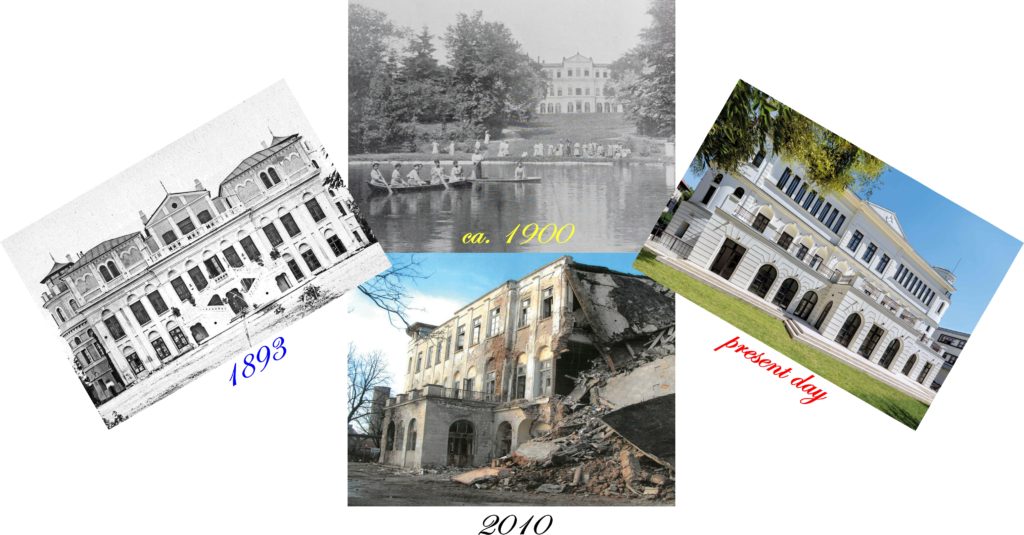
The Oteteleșanu Hall in Măgurele has a storied past dating back to the 19th century (1843), when it was built
by the influential Oteteleșanu family. Initially serving as their private residence, it underwent a
significant transformation in 1894, becoming the esteemed “Ioan Oteteleșanu Institute for Girls” under the
auspices of the Romanian Academy.
Across its existence, the Otetelesanu Hall has stood witness to the dynamic evolution of Romanian history,
from periods of subjugation at the cross-roads of three Empires to the victorious pursuit of independence
and modernization. During its journey, the hall has endured three major wars, the vicissitudes of Communism,
and the arduous path back to Democracy, navigating through cycles of transformation, neglect, and
revitalization. Through it all, the Oteteleșanu Hall has remained a steadfast symbol of resilience amidst
political turmoil and societal shifts.
Following a decade of careful restoration overseen by NIMP, Oteteleșanu Hall has been rejuvenated as the
headquarters of the Culture and Physics Foundation in Măgurele, the International Centre for Advanced
Training and Research in Physics (CIFRA), and the DRIFMAT cluster.
Today, it serves as a prestigious venue for international events like IWMP, embodying both its historical
scope and contemporary relevance while upholding its unwavering, 130-years-old commitment to education and
scientific advancement.
In the present day, the Oteteleșanu Hall stands as a testament to the cultural legacy of Măgurele, offering a
captivating window into the past while remaining an integral part of the local community vibrant present.
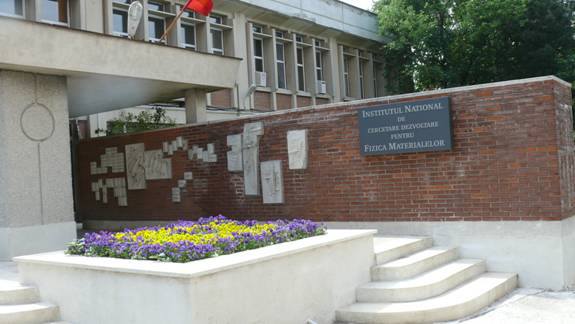
National Institute of Materials Physics
Established in 1949, the Institute of Physics of the Romanian Academy was founded by Horia
Hulubei, a distinguished scientist renowned for his ground-breaking contributions to various fields of
physics, including Raman, X-rays, Compton, atomic, and nuclear physics. Hulubei earned his PhD in Paris
under the tutelage of Nobel Prize laureates Pierre Curie and Maria Skłodowska-Curie.
In 1956, the Institute underwent a division resulting in the formation of two separate entities: the
Institute of Atomic Physics (IFA) in Măgurele & the Bucharest Institute of Physics (IFB), the latter led by
the Acad. Prof. Eugen Bădărău. E. Bădărău, a prominent professor from Sankt Petersburg and Cernăuți
Universities, played a pivotal role in advancing the Romanian school of physics, particularly in the study
of electrical discharges in gases and plasma.
Relocating to Măgurele in 1974, the Institute experienced further transformation in 1977 with the
amalgamation of laboratories from IFB and IFA, forming the Institute of Physics and Technology of Materials.
In 1996 it was officially rebranded the National Institute of Materials Physics (NIMP) following a national
accreditation process, subsequently re-accredited in 2008 and 2016.
Throughout its history, NIMP has been home to distinguished physicists such as Acad. Eugen Bădărău, Acad.
Radu Grigorovici, Acad. Ioan Iovitz Popescu, Acad. Margareta Giurgea, Acad. Rodica Mănăila, or Acad.
Vladimir Țopa.
Over the past fifty years, NIMP has emerged as a leading research institution in Romania, investing over 35
million EUR in a new laboratory building equipped with state-of-the-art research facilities and the
restoration of the historic Oteteleșanu Hall. Internationally, NIMP has played a significant role as one of
the founders of the Central European Research Infrastructure (C-ERIC) and as an associated member of the
Francophone University Agency (AUF). Additionally, it hosts a UNESCO category 2 centre – the Centre for
Advanced Training and Research in Physics (CIFRA).